
Birmingham and the Black Country have been left with a changed political map after the 2026 local elections, with Reform UK making major gains and Labour losing control of Birmingham City Council after 14 years.
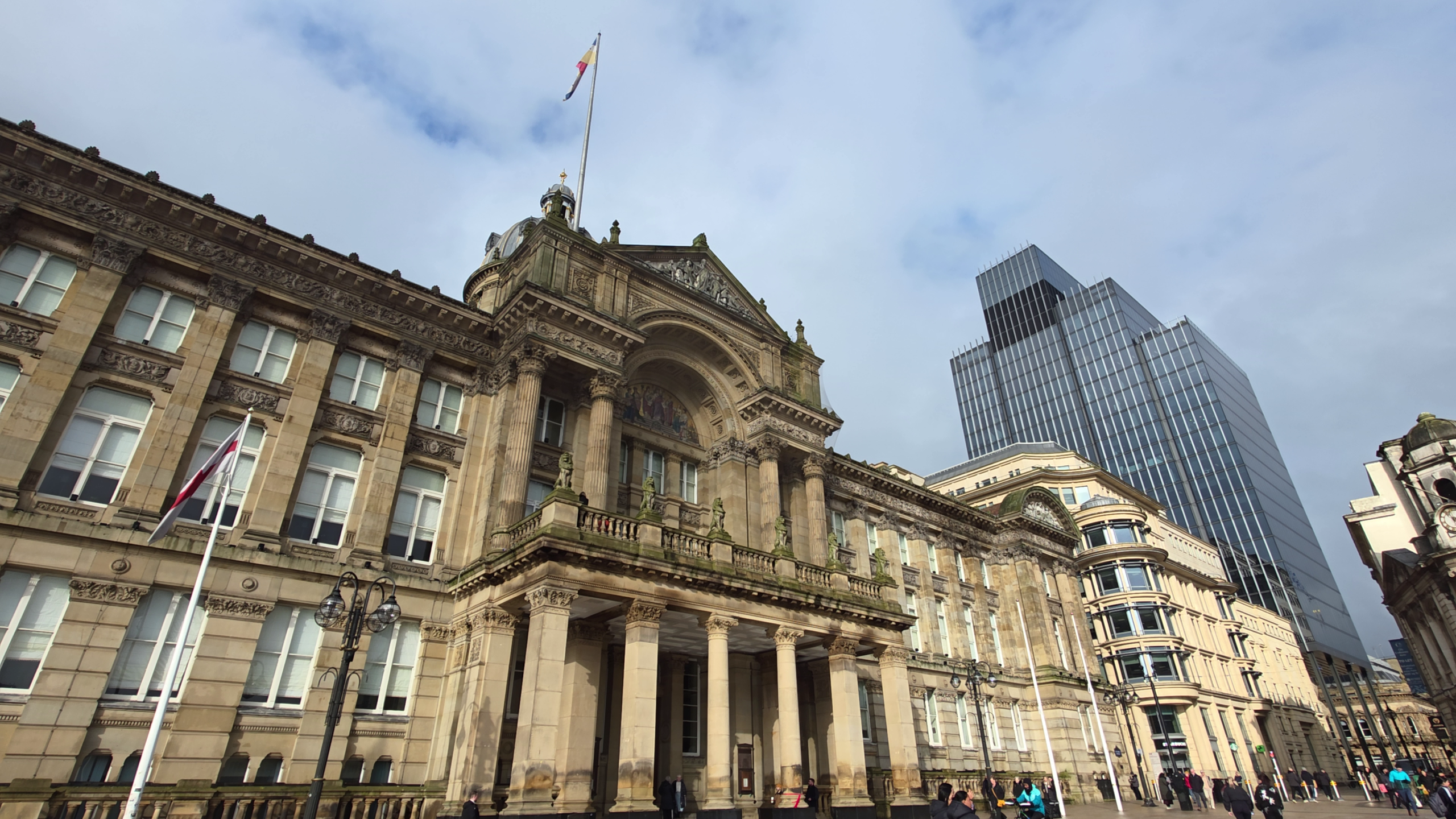
The most direct changes came in Sandwell and Walsall, where Reform took control. Birmingham was left under no overall control, while Dudley remained without a single-party majority and Wolverhampton stayed Labour-held.
Some details are still not settled. Birmingham’s final two seats had not been declared when ITV reported on 8 May that the count was due to resume on 11 May. Without a confirmed later result in the dossier, that final position should not be treated as complete.
What happened
Birmingham held a full council election on 7 May, with all 101 seats across 69 wards up for grabs. ITV reported that the city had gone to no overall control, with Labour leader John Cotton losing his seat and Reform emerging as the largest party at that stage.
That matters because Birmingham is already under pressure. The council has been dealing with severe financial problems, government intervention, budget pressures and the long-running bin strike. This is not just a change in party colours on a council chart. It affects who has the authority to make decisions on services, cuts, waste, leadership and spending.
In Sandwell, the official council results show Reform UK won 41 seats, Labour 28, the Greens two and one independent. The council recorded average turnout at 34.28%. Because Sandwell held a whole-council election, councillors were elected on staggered terms.
Walsall also moved to Reform. ITV reported Reform won 40 of the council’s 60 seats, with Conservatives on 10, Walsall Community Independents on eight, Labour on one and one independent.
What we know so far
Dudley did not move into outright Reform control, but the result still changed the balance. Official council results show Conservatives on 27 seats, Reform UK on 23, Labour on 15, Liberal Democrats on four and the Black Country Party on three.
That leaves Conservatives as the largest group, with Reform now the second-largest group. It is a shift, not a clean takeover. Those distinctions matter, dull as they are, because council maths is where political slogans go to meet the bin rota.
Wolverhampton was listed by ITV as a Labour hold. But the city also saw Reform wins in several wards, including Bilston North, East Park, Fallings Park, Oxley and Wednesfield North, according to official council results in the dossier.
What’s unclear or not yet confirmed
The biggest open question is Birmingham’s final position. ITV reported the final count was delayed with two seats still undeclared. The dossier does not confirm the final composition after that delayed count.
It is also not confirmed who will lead Birmingham City Council, what arrangement will run it, or whether any formal deal between parties or groups will be made.
In Walsall, ITV reported Elaine Williams was set to become council leader after Reform councillors chose her as group leader. But the report also stated full council confirmation was due on 18 May, so her appointment should be treated as pending until formally confirmed.
In Sandwell, ITV reported Reform councillors were due to choose their group leader. The dossier does not confirm the outcome.
Background and context
Birmingham’s result landed against a brutal backdrop. In September 2023, the government announced proposed intervention at the council after a section 114 notice linked to a major equal pay liability and wider budget pressures.
The bin strike also sat heavily over the election. ITV reported in April that a deal had been reached in principle between Birmingham City Council and Unite, but that the pre-election period prevented a final decision before 7 May.
ITV polling in the dossier suggested the strike was a major issue for Birmingham voters, with 59% of respondents saying resolving it was one of their top priorities and 63% saying it would directly influence how they voted. That shows salience. It does not prove exactly why each voter made their choice.
Across the wider region, the pattern is not uniform. Sandwell and Walsall moved decisively to Reform. Dudley shifted heavily but stayed without a single-party majority. Wolverhampton stayed Labour-held while losing ground in several wards.
What happens next
The next test is what the results mean in practice. Birmingham needs confirmed final numbers, leadership arrangements and decisions on the bin strike.
Sandwell and Walsall need formal leadership and policy direction from their new Reform administrations. Dudley needs to show how it will operate with Conservatives as the largest group and Reform close behind.
Wolverhampton remains Labour-held, but Reform’s ward wins put new pressure on the city’s political leadership. The votes are counted. The harder bit now begins – turning the result into actual decisions.
Leave a Reply