
This is the Pulse Local afternoon digest for Friday 29 May 2026, covering Birmingham and the Black Country – Birmingham, Dudley, Sandwell, Walsall and Wolverhampton. So here is the useful bit of the day, minus the usual sludge.
So far the main themes are rail disruption around Birmingham New Street and the Cross City line, police activity in Smethwick, Birmingham, Sandwell and Walsall, warm but fresher weather, fresh council developments in Sandwell and Wolverhampton, and half-term events across the region this afternoon and evening.
Top stories
Cross City line closure hits Birmingham and Black Country rail travel
West Midlands Railway says no trains are running between Birmingham New Street and Lichfield Trent Valley on the north side of the Cross City line from Friday 29 May to Sunday 31 May while an HS2 viaduct is installed near Curzon Street. Its engineering works page also says buses are replacing trains today between Lichfield Trent Valley, Four Oaks or Tame Bridge Parkway and Birmingham New Street, with knock-on impact between Walsall and Wolverhampton too. That matters because it cuts across commuter, shopper and half-term journeys right through the afternoon and weekend.
Man charged after violent disorder in Smethwick
West Midlands Police confirmed a 19-year-old man has been charged with attempted murder and possession of an offensive weapon after disorder in Foundry Lane, Smethwick, on Tuesday night in which two men suffered stab wounds. Police said one 21-year-old remained in a serious condition and the accused was due before Birmingham Magistrates’ Court today. For local residents, it means a high-profile case is now moving into court while the police presence in the area stays heightened.
Sandwell has a new council leader and cabinet
Sandwell Council says Councillor Ray Nock was formally confirmed as leader at the authority’s annual meeting this week. He said the new administration would focus on jobs, town centres, high streets and cost-of-living pressure. That is worth watching because leadership changes tend to shape what actually gets pushed through, and what gets quietly parked in a drawer like every other grand civic promise.
East Birmingham regeneration remains one of the biggest live regional stories
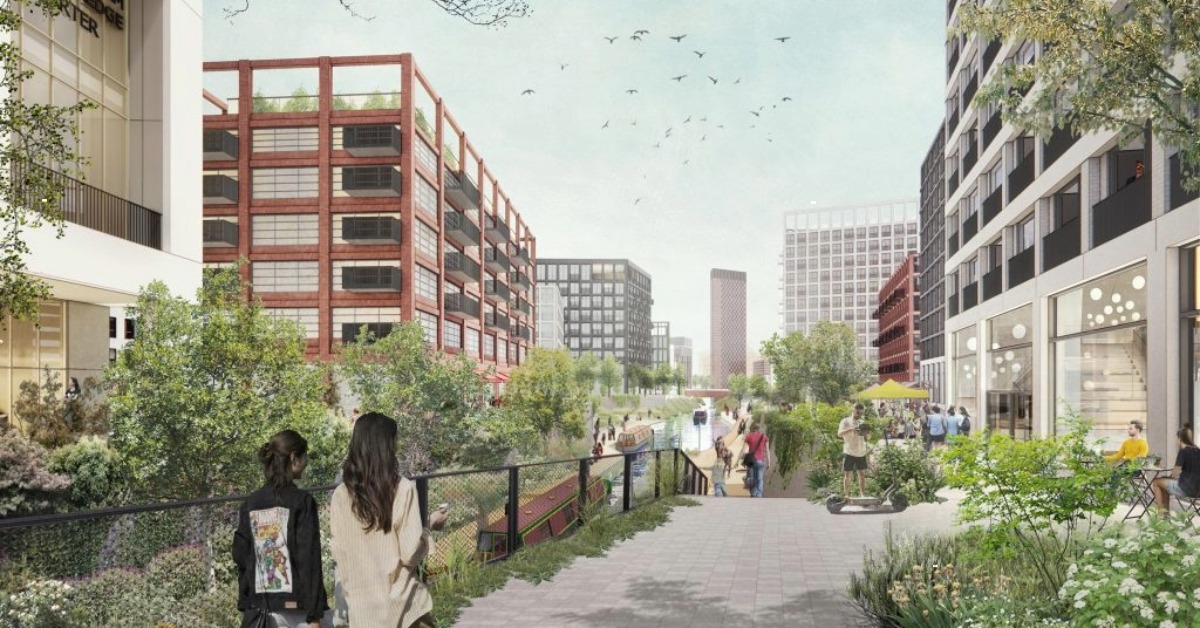
WMCA says the Birmingham East Mayoral Development Corporation will drive an £11bn regeneration programme, with more than 50,000 jobs and 20,000 new homes planned in east Birmingham. The authority says the scheme is meant to improve transport connections and living standards in some of the city’s most deprived neighbourhoods. If it moves at the pace promised rather than the pace councils usually prefer, it could reshape a big chunk of Birmingham’s future.
Crime and courts
In Birmingham, West Midlands Police confirmed Josiah Johnson, 28, has been charged with assault, assaulting an emergency worker, two counts of criminal damage and attempted criminal damage after an officer on Soho Road was threatened and kicked in the face on Monday night while responding to a report of a man carrying a knife.
In Sandwell, West Midlands Police said a 16-year-old boy was arrested on suspicion of robbery after a teenager was threatened and forced to hand over his bike in Sandwell Valley Country Park on Tuesday evening.
In Walsall, West Midlands Police said officers stopped a suspicious vehicle in Harden Road, Bloxwich, on Wednesday night, recovered suspected cocaine and cash, and arrested a 25-year-old man on suspicion of possession with intent to supply and driving offences.
For a wider courts picture, West Midlands Police also reported that five men from Birmingham were jailed this week for running what it described as a significant drugs line. That is not a breaking case today, but it is part of the wider picture around organised crime enforcement across the region.
Weather
The latest Met Office forecast for Birmingham puts today at a high of 24C, with clouds giving way to sun, and the broader West Midlands forecast says the region will stay warm but feel fresher than earlier in the week. Current regional readings around early afternoon were 23C in Birmingham, Wolverhampton and Dudley.
The regional outlook says skies should brighten later this afternoon and into the evening, with a dry night ahead and a minimum around 8C. Saturday then looks bright and very warm again, with Birmingham forecast to reach 25C before more unsettled conditions edge in later in the weekend. British weather remains committed to emotional inconsistency.
Traffic and travel
The biggest live travel problem remains rail. West Midlands Railway says replacement buses are operating today on routes affecting Birmingham New Street, Four Oaks, Tame Bridge Parkway, Walsall, Wolverhampton and Lichfield Trent Valley. The separate Cross City closure notice says the north side of the line stays shut until Monday 1 June.
On buses, TfWM says major service changes start from Sunday 31 May on routes including the 40, 79, 74, 80, 82, 87 and 51/X51, and it also flags ongoing disruption linked to the Saltley Viaduct closure on Birmingham routes including the 8A/8C, 14, 94, 95 and 97. TfWM also says the 8 and X8 between Birmingham and Wolverhampton via Dudley and Blackheath are on a long-term diversion until 19 October because of roadworks in Merry Hill linked to Metro construction.
Council and public services
Birmingham City Council’s waste injunction page says the injunction granted on 20 February 2026 and extended on 18 May 2026 is in place to stop people blocking or obstructing the provision of waste services in Birmingham. Residents still need to keep checking local guidance because service changes during disputes have a habit of becoming their own weather system.
Sandwell Council has now formally installed its new leader and cabinet, with jobs, high streets and the cost of living set out as priorities.
In Wolverhampton, the council says four new council bungalows have been completed on small brownfield sites and another social housing scheme in Bilston is to follow. The council has also reopened Tettenhall Pool and East Park water play, which is practical news for families trying to survive half-term without spending half a mortgage payment.
Business, jobs and regeneration
The biggest regeneration story in the Birmingham patch remains the new Birmingham East Mayoral Development Corporation. WMCA says it is meant to bring more than 50,000 jobs and 20,000 homes while improving transport links and raising living standards in east Birmingham.
WMCA has also launched a separate £3.8bn Futures Fund which it says is aimed at speeding up regeneration, building more affordable homes and creating jobs across the region.
For people job-hunting, the current WMCA careers page is listing roles including ERP Systems Analyst, Monitoring and Evaluation Officer and Programme Investment Appraiser, all posted in the last few days.
What’s on
Birmingham Museum & Art Gallery’s Art Club: May Half Term is running today, Friday 29 May, as part of Birmingham Museums’ school holiday programme.
Dudley Council says Priory Fest is on at Priory Park today from 10am to 4pm, with family activities, stalls, open mic slots and history tours.
Sandwell Council’s Festival of Free Play continues across the borough through 31 May, with free activities in Oldbury, Smethwick, Tipton, West Bromwich, Wednesbury and Rowley Regis.
Walsall Council’s May events page lists Float Fun at Bloxwich Active Living Centre this afternoon and a Big Bounce inflatable session there today as part of the half-term offer.
The Halls Wolverhampton lists James Morrison at Civic Hall tonight, Friday 29 May. Its main events page also lists The Ultimate Classic Rock Show at Civic Hall this evening.
Community noticeboard
Walsall Council’s school term dates page confirms today is the final day of the May half-term break in the borough for the 2025/26 school year.
Walsall Council’s family activities page points families towards leisure centre sessions, libraries, gallery activities, parks and the HAF programme during the holidays.
TfWM is also urging passengers to check journeys before they travel because online timetables and at-stop information are not always updated before changes take effect. That is civil-service language for “do not trust the first thing you see and then act surprised”.
One thing to watch
Tomorrow’s big thing to watch is not some dramatic mystery. It is whether people remember the Cross City closure is still in force on Saturday. West Midlands Railway says the disruption runs right through Sunday, while the Met Office says Saturday should stay bright and very warm before the weather turns more unsettled later in the weekend. That combination usually means fuller trains where they are running, busier roads and more people deciding at the exact same moment that they fancy a day out.