
Birmingham City Council’s Cabinet is due to consider the draft three-year budget report that sets out spending plans, savings proposals and council tax assumptions before it goes to full Council.
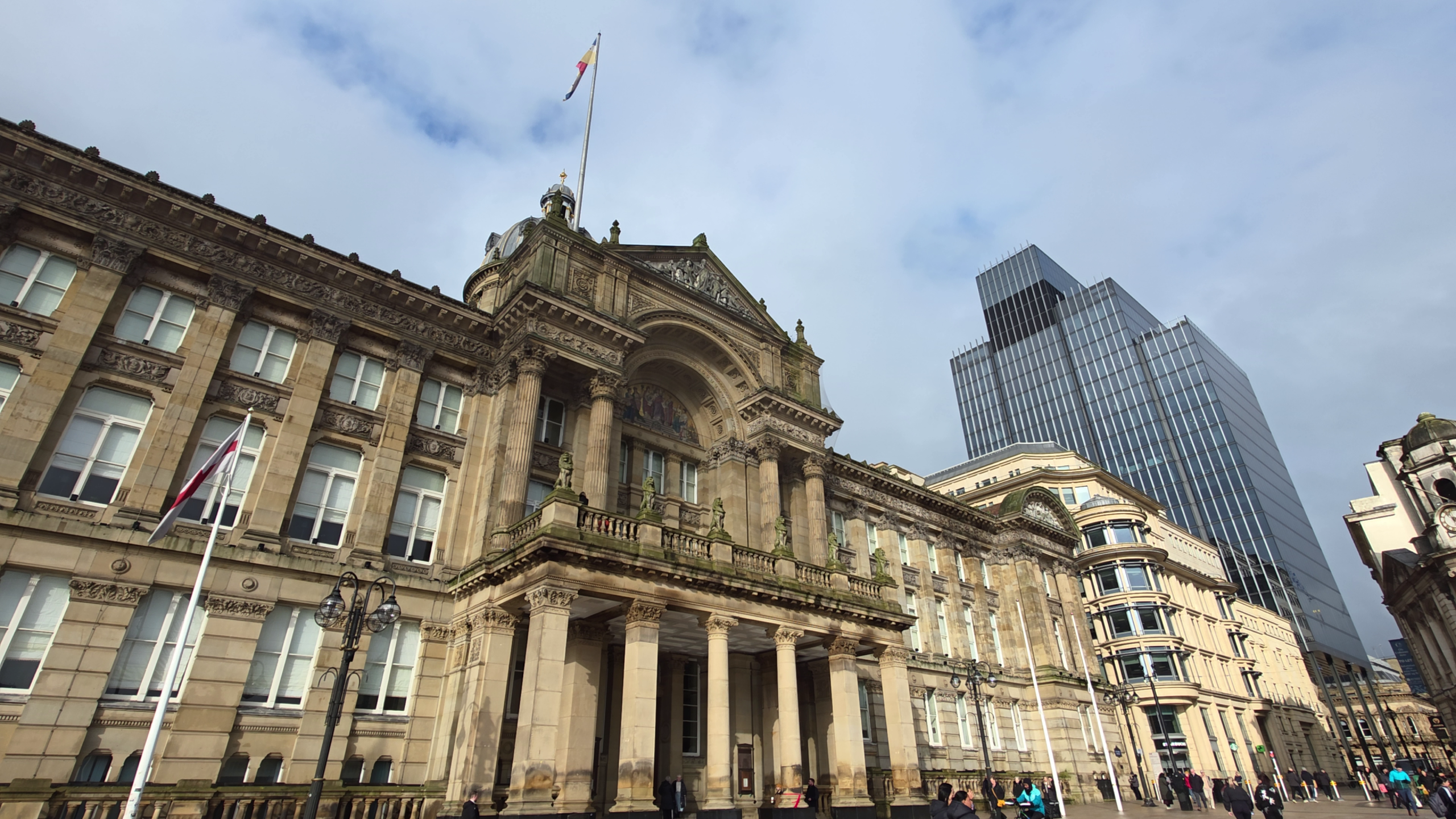
Birmingham City Council’s Cabinet is due to consider the city’s draft budget plans for the next three financial years at a meeting on Tuesday 10 February 2026.
The agenda includes a report on the council’s Medium Term Financial Plan (MTFP), covering the period from 2026/27 to 2028/29.
This is the document that frames the big calls: what the council expects to spend, where it plans to save, and what assumptions it is making about income such as Council Tax and government funding.
What the papers say
In the draft report to Cabinet, the council sets out a net General Fund revenue budget of £1.907bn for 2026/27.
The report also states that the plan requires £95m in savings across the MTFP period.
On Council Tax, the report assumes a maximum 4.99% increase in each of the three years. That figure is typically made up of the core rise plus the adult social care precept.
The report also notes that the Final Local Government Finance Settlement had not been received at the time the report was written. In practice, that means some figures and assumptions may still be subject to confirmation.
Exceptional Financial Support and legacy costs
The papers refer to Exceptional Financial Support (EFS), a mechanism councils can use with government agreement to manage certain costs.
The report says that, as previously reported to City Council, the 2025/26 budget was approved with £11m of EFS and adds that no further EFS is being requested from Government. It links the earlier EFS position to historic equal pay liabilities and earlier budget pressures.
What happens next
Cabinet decisions are not the final sign-off for the budget. The Cabinet meeting is the stage where the draft report is considered before it moves on to the wider Council decision-making process.
For residents, the practical point is simple: these papers are where the direction is set, including the assumptions that shape service budgets and Council Tax planning.
Leave a Reply