
A 15-year-old boy has been sentenced to life with a minimum term of 13 years for murdering 12-year-old Leo Ross, who was attacked while walking home from school in Hall Green.
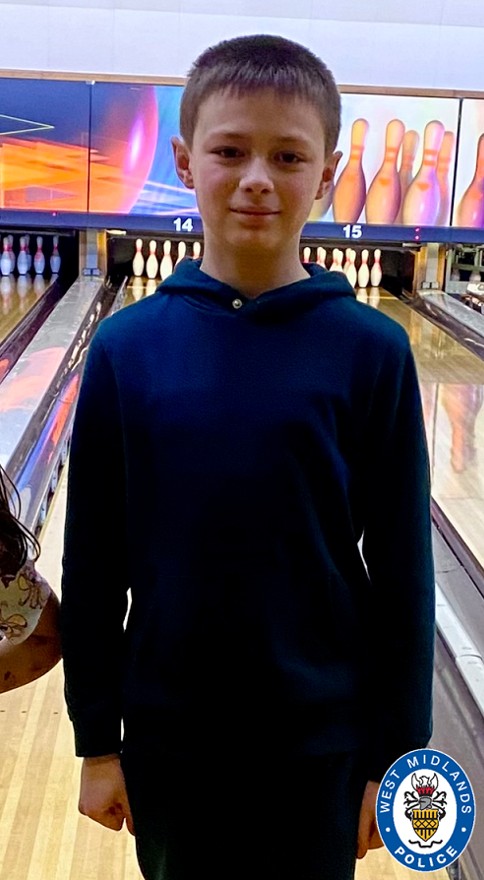
A 15-year-old boy has been jailed for the murder of 12-year-old Leo Ross, who was attacked while walking home from school in Hall Green.
West Midlands Police confirmed the teenager was sentenced at Birmingham Crown Court on 10 February 2026. The court imposed life detention with a minimum term of 13 years before he can be considered for release.
Because the offender is a child, he cannot be identified.
What the court outcome confirms
Leo was killed on 21 January 2025, after he was attacked near Scribers Lane and Trittiford Mill Park, in Hall Green.
The Crown Prosecution Service confirmed the boy admitted murdering Leo at a hearing on 29 January 2026, ahead of sentencing. The police investigation then led to the life sentence being passed on 10 February.
The CPS also confirmed the teenager was sentenced for other offences linked to the same day, including serious assaults on two elderly women, plus assault and knife possession offences.
How police linked the boy to the killing
Police have described a fast-moving investigation, with officers and detectives working to identify and arrest the attacker.
The force has also set out that the boy tried to mislead officers at first, before later admitting the killing. That detail is important because it explains why the case moved from early uncertainty to a guilty plea.
Why this case has hit so hard locally
This was not a distant, abstract crime story. It was a child walking home from school in a Birmingham neighbourhood. That is why it still lands like a punch a year on.
The wider picture is messy too. Knife-enabled crime is not just a London headline. Official figures published by the Office for National Statistics show the West Midlands Police force area recorded 4,116 knife-enabled offences in the year ending September 2025, down 18% on the year before. “Down” is welcome. “Four thousand” is still the bit that sticks in your throat.
Nationally, ONS reporting for the same period puts knife or sharp instrument offences in England and Wales at 50,430, down 9%. Again: the direction is good. The volume is the problem.
What happens next
A life sentence does not mean automatic release at the minimum term. It means the offender must serve at least that minimum, and then convince the Parole Board it is safe to be released.
For Leo’s family, the legal process has reached an ending. The loss does not.
Leave a Reply